How to read a humanoid robot spec sheet: what each figure means for a buyer
What height, weight, payload, runtime, degrees of freedom, walking speed and hands mean on a humanoid robot spec sheet, with examples from Domobot's model sheets and the questions to ask before you buy.
AI summary
- Robot spec sheets list maker-stated figures that vary in meaning and measurement between companies.
- Payload and degrees of freedom can be specified differently, while runtime depends on operating conditions; clarify all three before purchase.
Drafted by AI from this article, then checked against it.
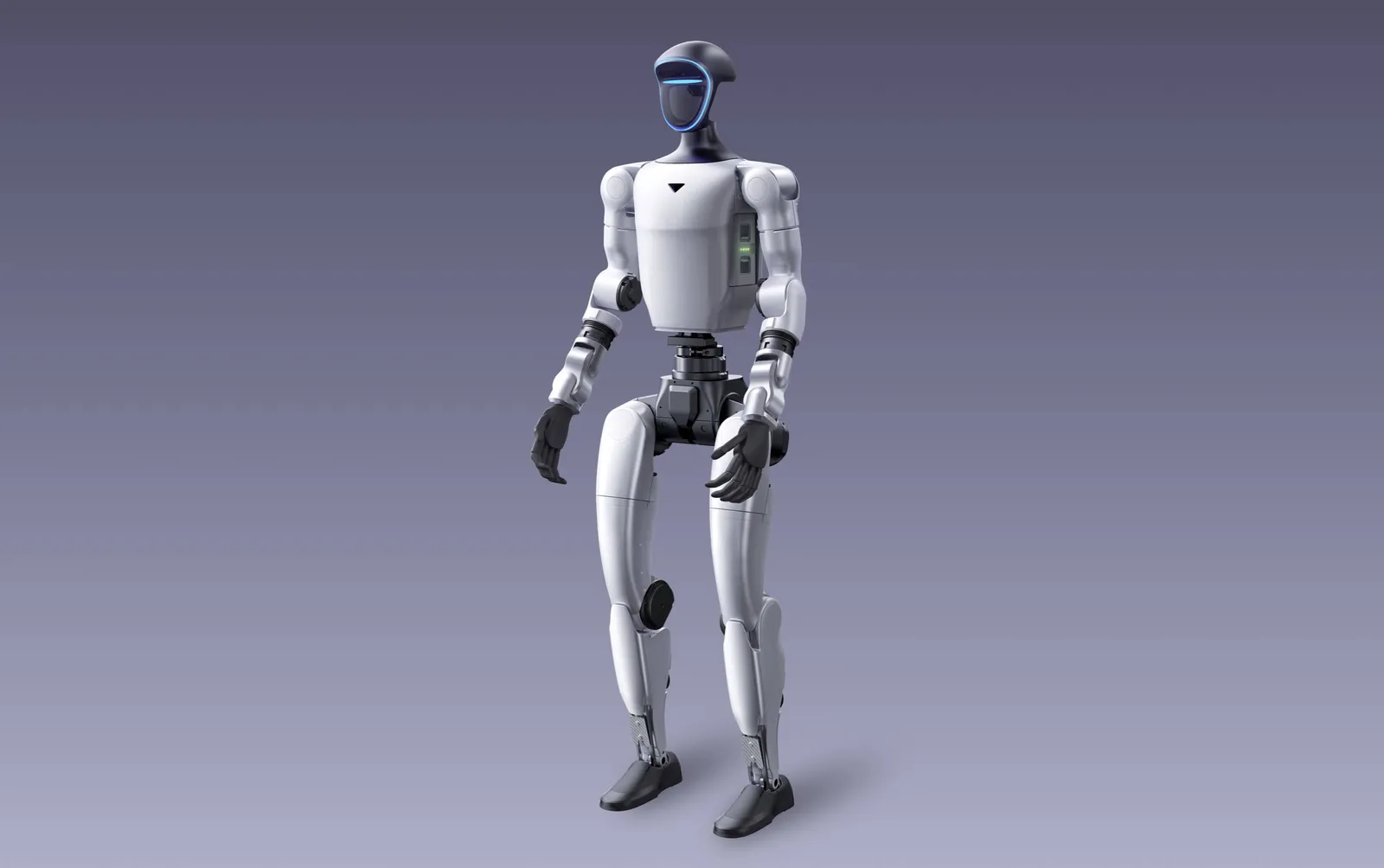
Unitree Robotics · Source
The short answer: read each figure on a humanoid robot spec sheet as a maker-stated number, and ask how it was measured: at what load, for how long, with which joints counted. The same word, payload or degrees of freedom, does not mean the same thing from one maker to the next.
This guide is for buyers comparing sheets before a demo or a quote. It explains what each figure means, with examples from Domobot's model sheets, and what to ask.
Height and weight: fit and handling
Height sets clearances such as doorways and ceilings. Weight sets the floor loading, and how the robot is moved when it is not walking.
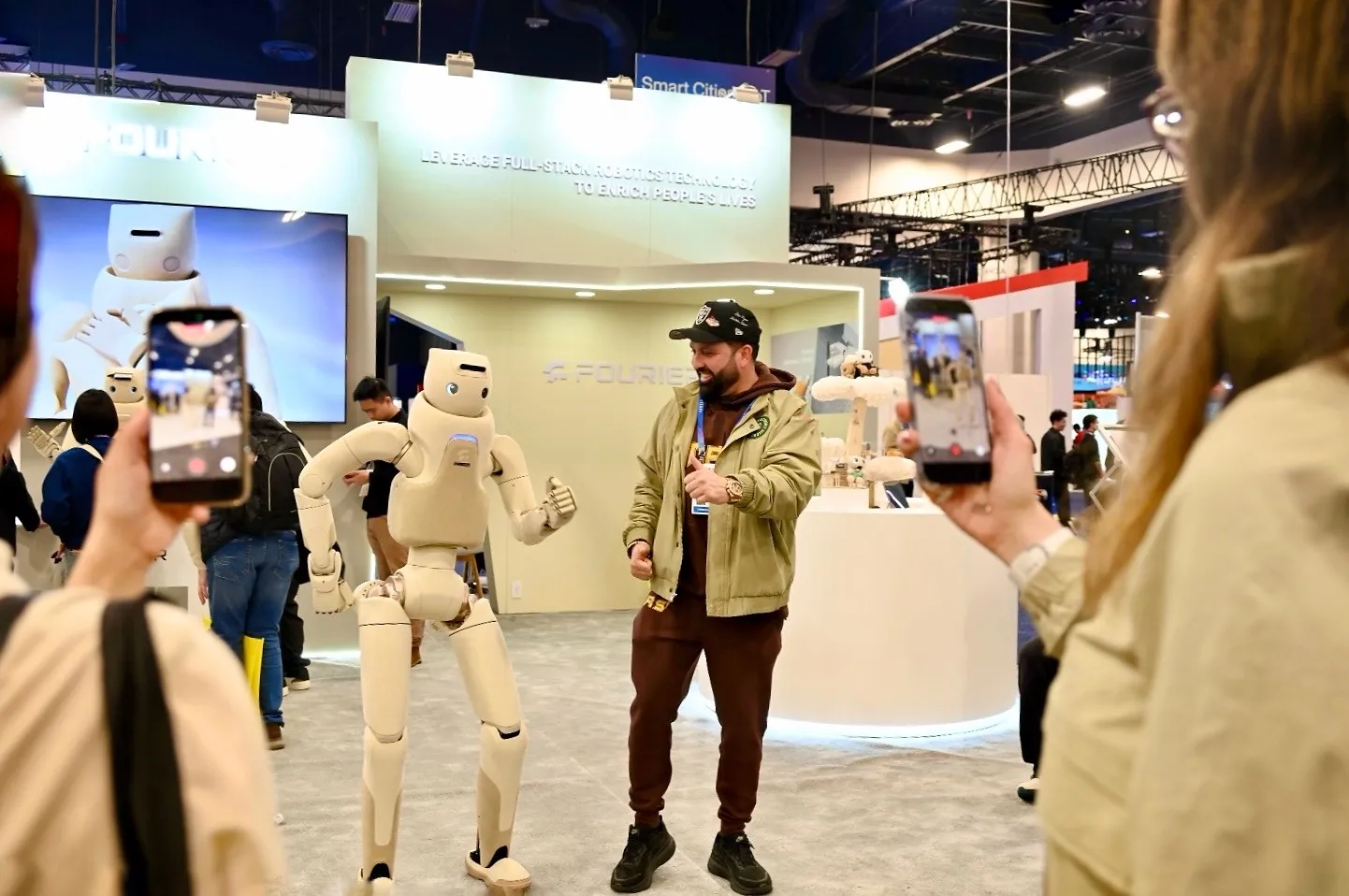
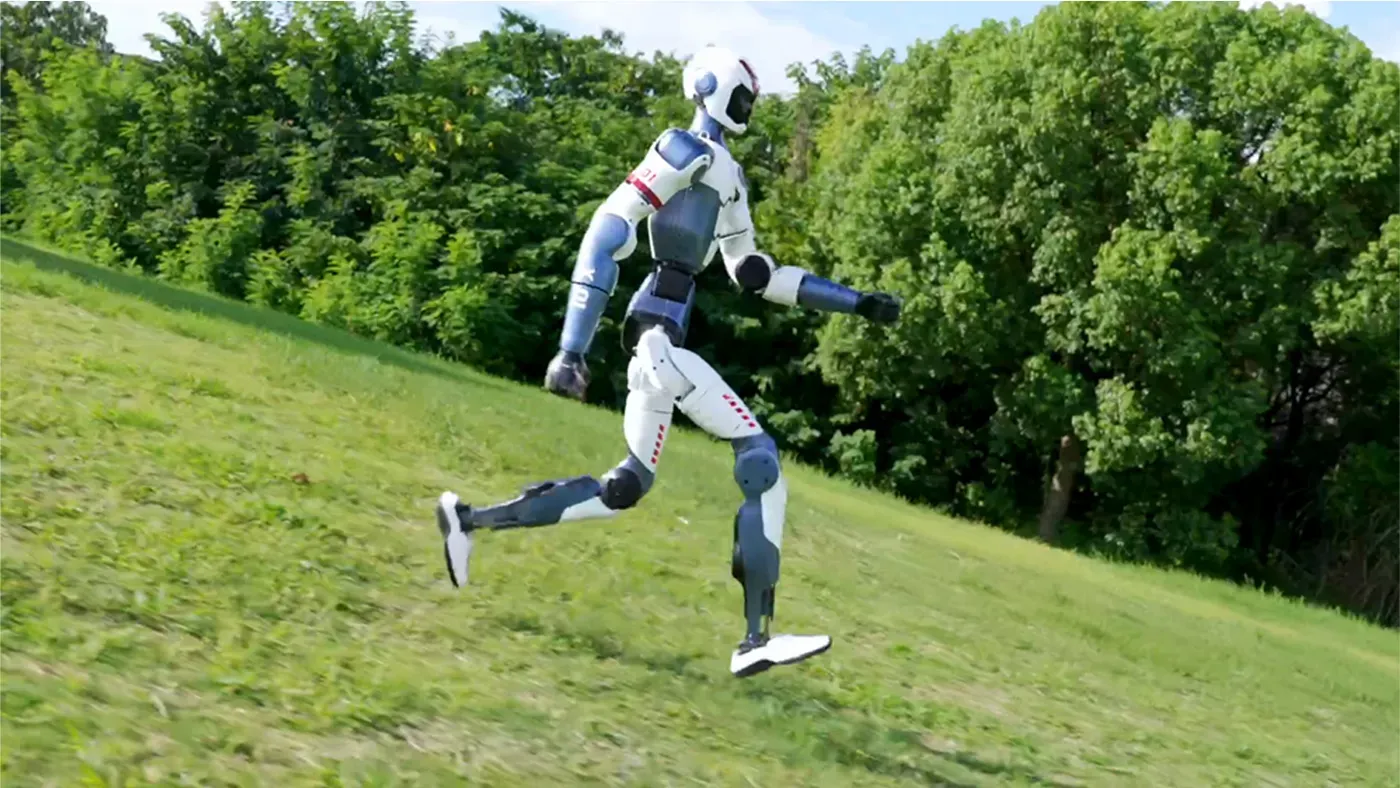
The Fourier GR-3 is 165 cm tall and weighs 71 kg (maker-stated): check both against your doorways, floors and lifting procedures. The Unitree R1 is 123 cm and about 29 kg (maker-stated). It is lighter than many full-size humanoids, but how it is lifted and carried still needs a plan.
What this means when you buy: measure your site against these figures before ordering.
Payload: the most misused figure
Payload is often listed as a peak lift with both arms, close to the body. Real tasks happen at reach, while moving, often with one arm.
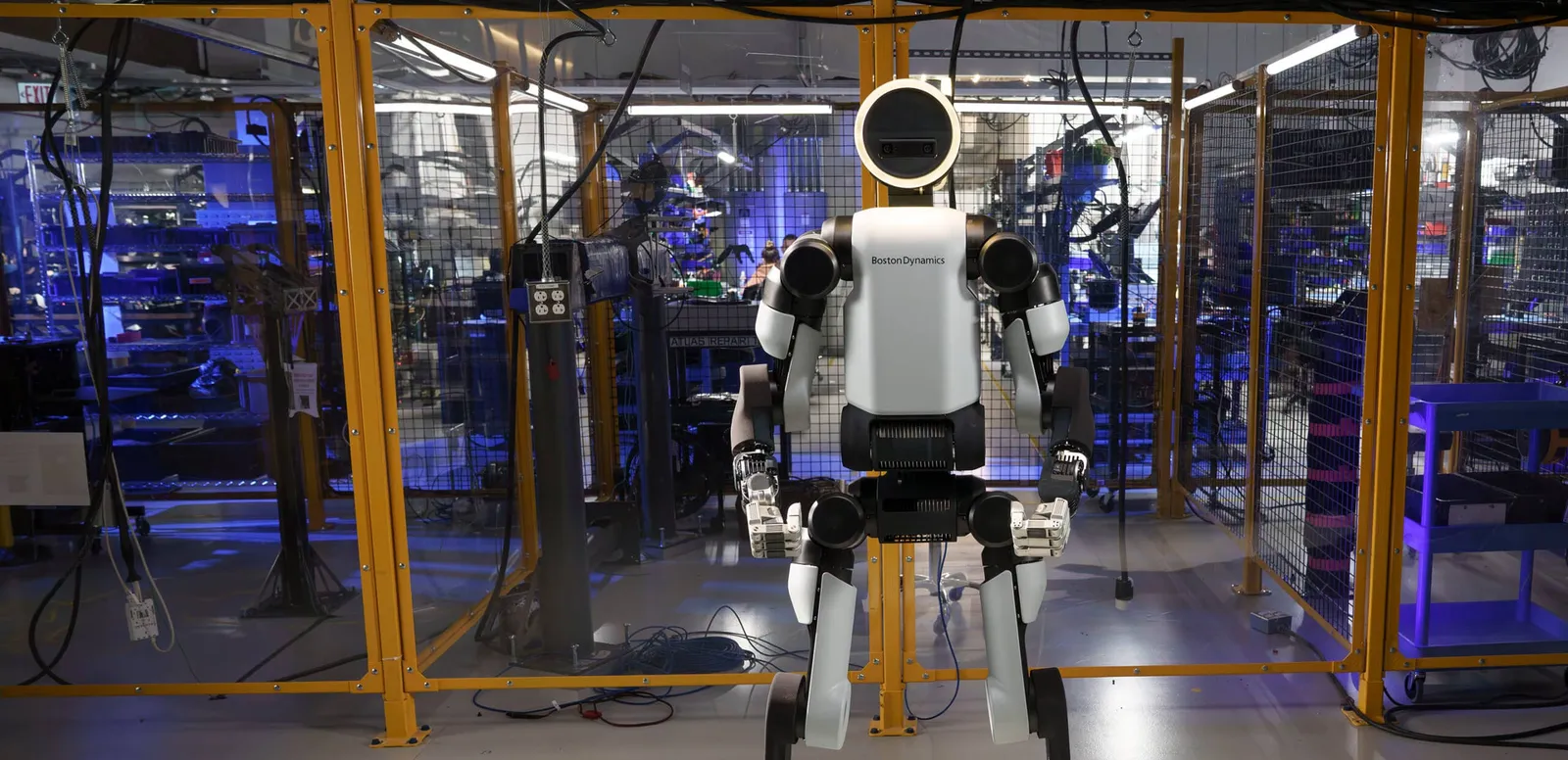
The Atlas lists a 30 kg sustained load and a 50 kg peak load, according to Boston Dynamics, without saying whether these are per arm or total. The Figure 03 lists 20 kg, also not specified as per arm or total. The Fourier GR-3 lists 3 kg per hand (maker-stated), which is explicitly a one-hand figure.
What this means when you buy: ask for the one-arm, continuous payload at your working distance, while the robot moves. That is the number you will use.
Runtime: standing is not working
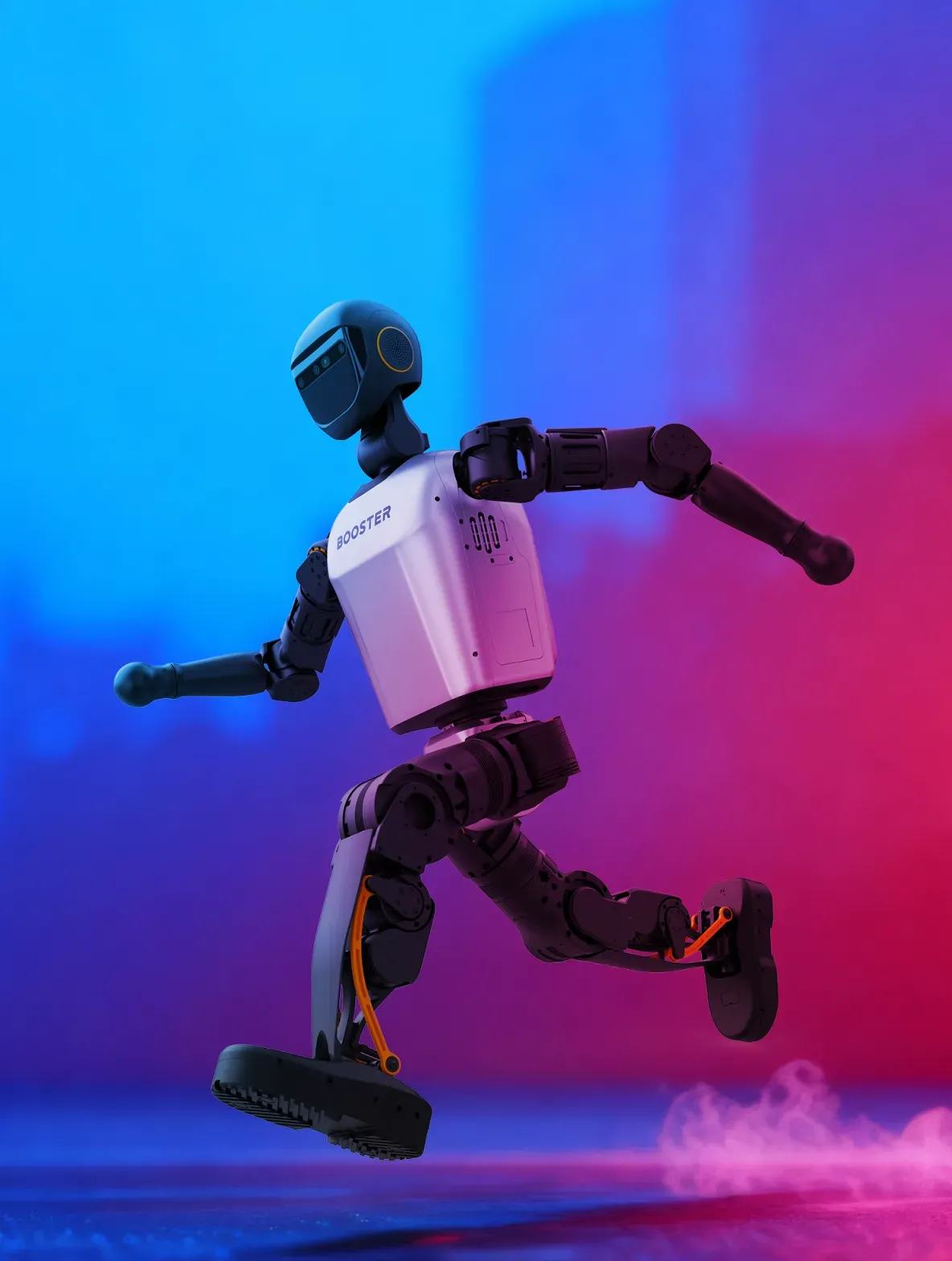
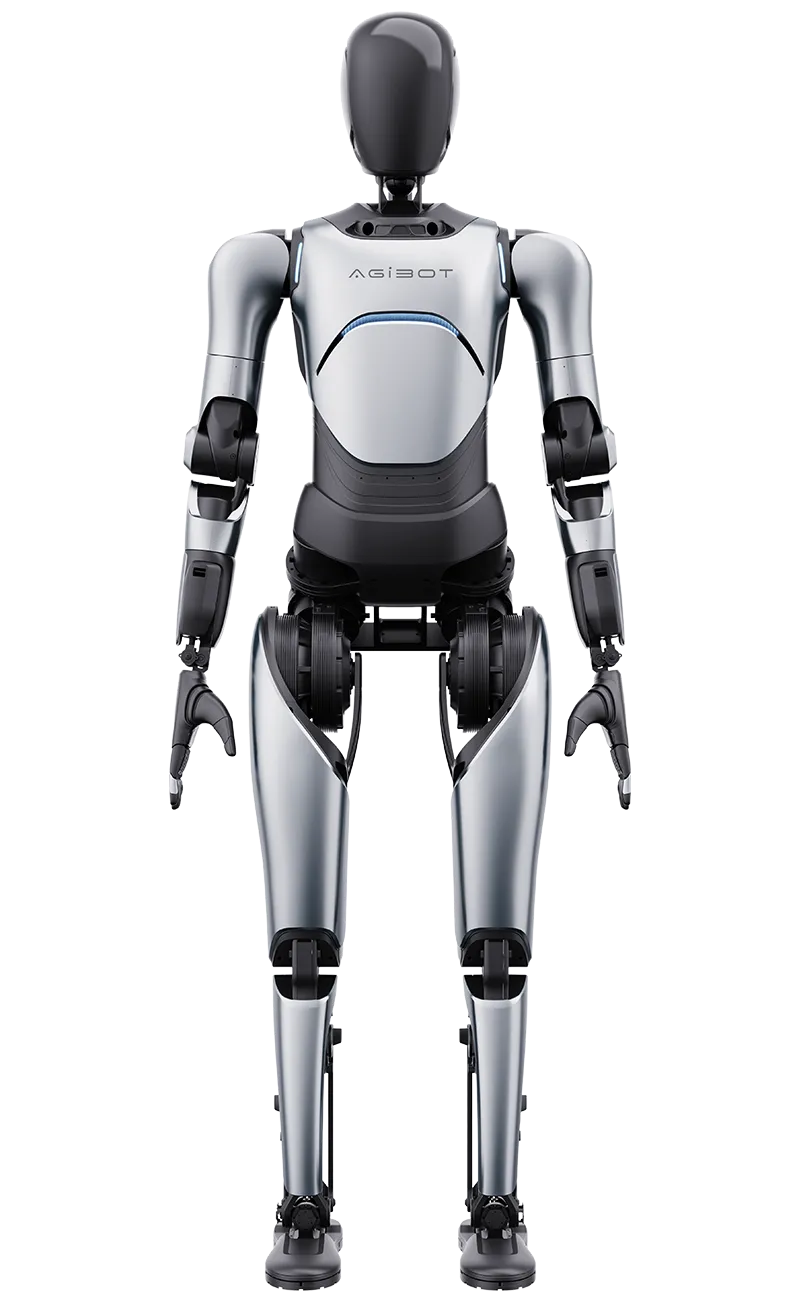
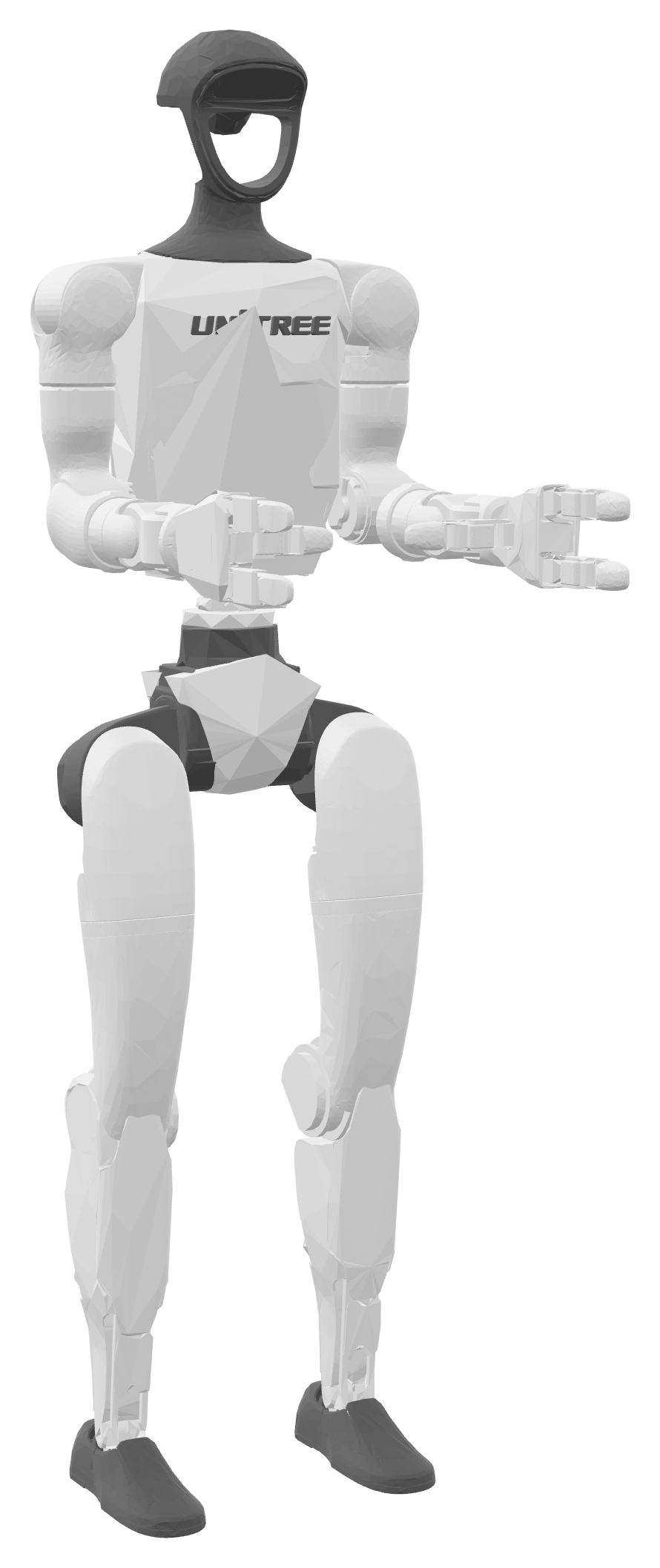
Runtime is often measured in light conditions. Under load, it drops. Booster's own figures show the gap: the Booster T1 lists 2 hours walking and 4 hours standing. The AgiBot A2 lists 2 hours (700 Wh battery) and the Unitree G1 about 2 hours (9,000 mAh battery), both maker-stated.
A swappable battery changes the sum. The UBTECH Walker S2 swaps its own battery in under 3 minutes, according to UBTech, and the Galbot G1 lists 8 hours with a 3.5-hour recharge.
What this means when you buy: ask for the runtime under your expected load, whether the battery can be swapped, and how long a swap or a recharge takes.
Degrees of freedom: count what moves where
Degrees of freedom (DoF) count the joints a robot can move, but makers do not count them the same way. On the NEO, 44 of the 75 DoF in 1X's joint list are in the two hands, 22 each. The Galbot G1 states 21 DoF excluding its mobile base and end effectors. The LimX Oli states 31 excluding end effectors, while its spec sheet table shows 33 in total.
What this means when you buy: ask for the DoF limb by limb, and whether hands and grippers are included in the headline figure.
Walking speed: record versus working pace
A top speed is often a short burst. The EngineAI PM01 lists 7.2 km/h, converted from more than 2 m/s, the maximum the hardware supports according to EngineAI. The Unitree H1 lists 11.9 km/h, converted from 3.3 m/s: a record stated by Unitree, not a working pace.
What this means when you buy: ask for the sustained speed on your floor, under load.
Hands: match them to the task
Hands differ widely from one model to the next. The Kepler Forerunner K2 Bumblebee has five-fingered hands with 11 DoF each and tactile sensors. The Fourier GR-3 has dexterous hands with 6 base DoF per hand. The 4NE1 has integrated "high-dexterity" hands, with no details published. The base Unitree G1 has no dexterous hand. Some robots change hands for the job: the Galbot G1 takes a dexterous hand, a suction cup or a gripper, and the LimX Oli offers a 2-finger gripper, a 5-finger hand or a 3-finger gripper.
What this means when you buy: ask whether your objects, and the grasps they need, call for a gripper or a dexterous hand.
Autonomy: who is in control
A demonstration does not tell you who was in control. 1X says a 1X teleoperator can guide NEO through tasks it does not yet know how to do. Boston Dynamics describes Atlas as working autonomously, teleoperated or controlled from a tablet. The Figure 03 is deployed at BMW and sold to businesses under private contract, not to the public.
What this means when you buy: ask whether the task you saw was done autonomously, and which control mode the robot will run in on your site.
How we checked
This guide uses Domobot's model sheets, last verified on 29 September 2026, and two explainers on reading spec sheets, from Sourcebotics and Robo2u. The figures are the makers' own, as recorded on our model sheets; conversions and sums are shown as such in the text.
Sources
- unitree.com: Humanoid robot G1_Humanoid Robot Functions_Humanoid Robot Price | Unitree Robotics, undated, read 8 October 2026
- Sourcebotics: Reading a Humanoid Robot Spec Sheet: What "20 kg Payload" Really Means, 7 July 2026
- Robo2u Blog: How to Choose a Humanoid Robot: The 2026 Buyer's Guide, 11 July 2026
Models in this article
 Fourier GR-3Pre-order · Price not disclosed
 Unitree R1Available · $4,900
 AtlasPre-order · Price not disclosed
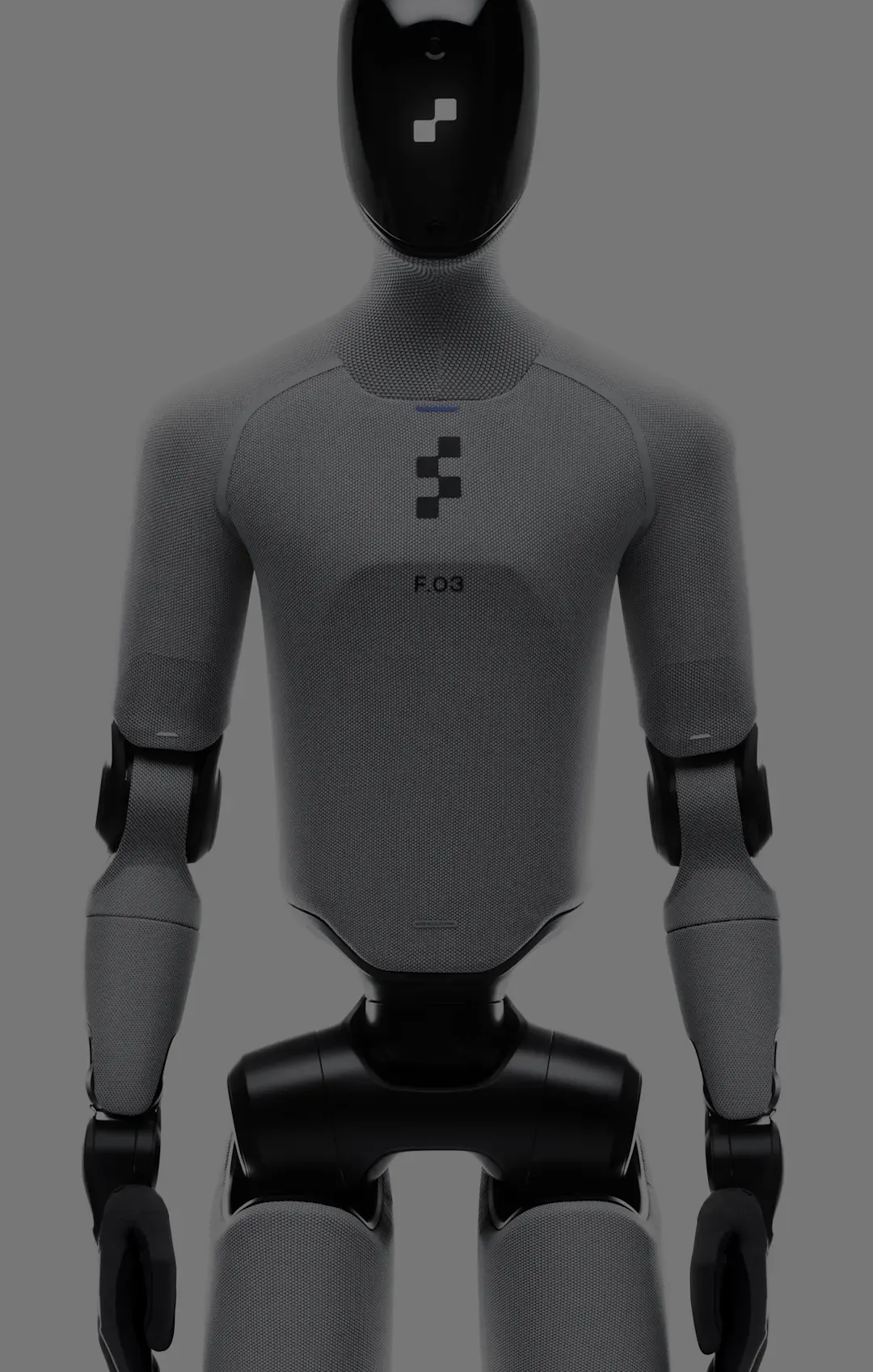 Figure 03Available · Price not disclosed
 Booster T1Available · Price not disclosed
 AgiBot A2Available · Price not disclosed
 Unitree G1Available · $13,500
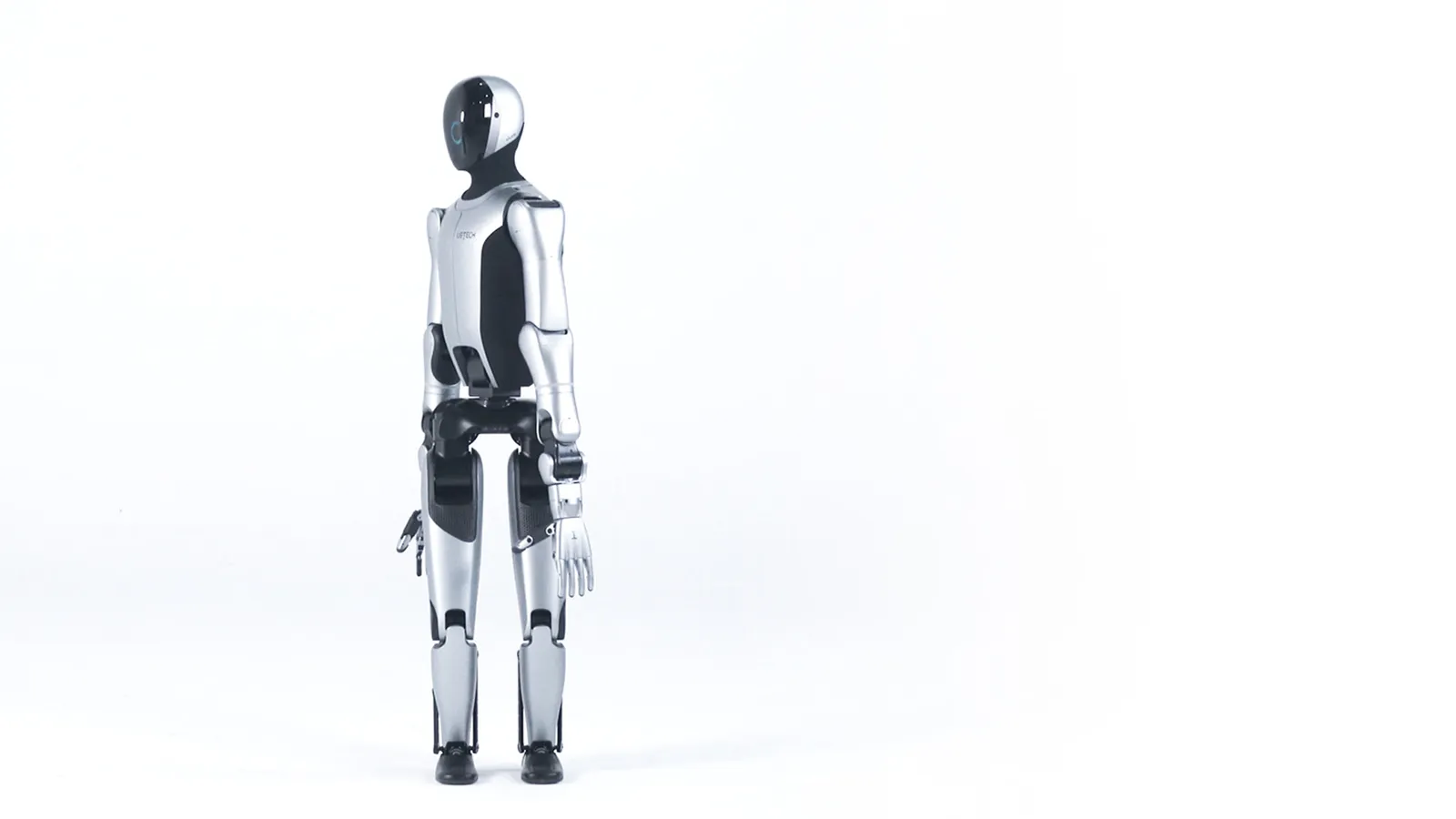 UBTECH Walker S2Available · Price not disclosed
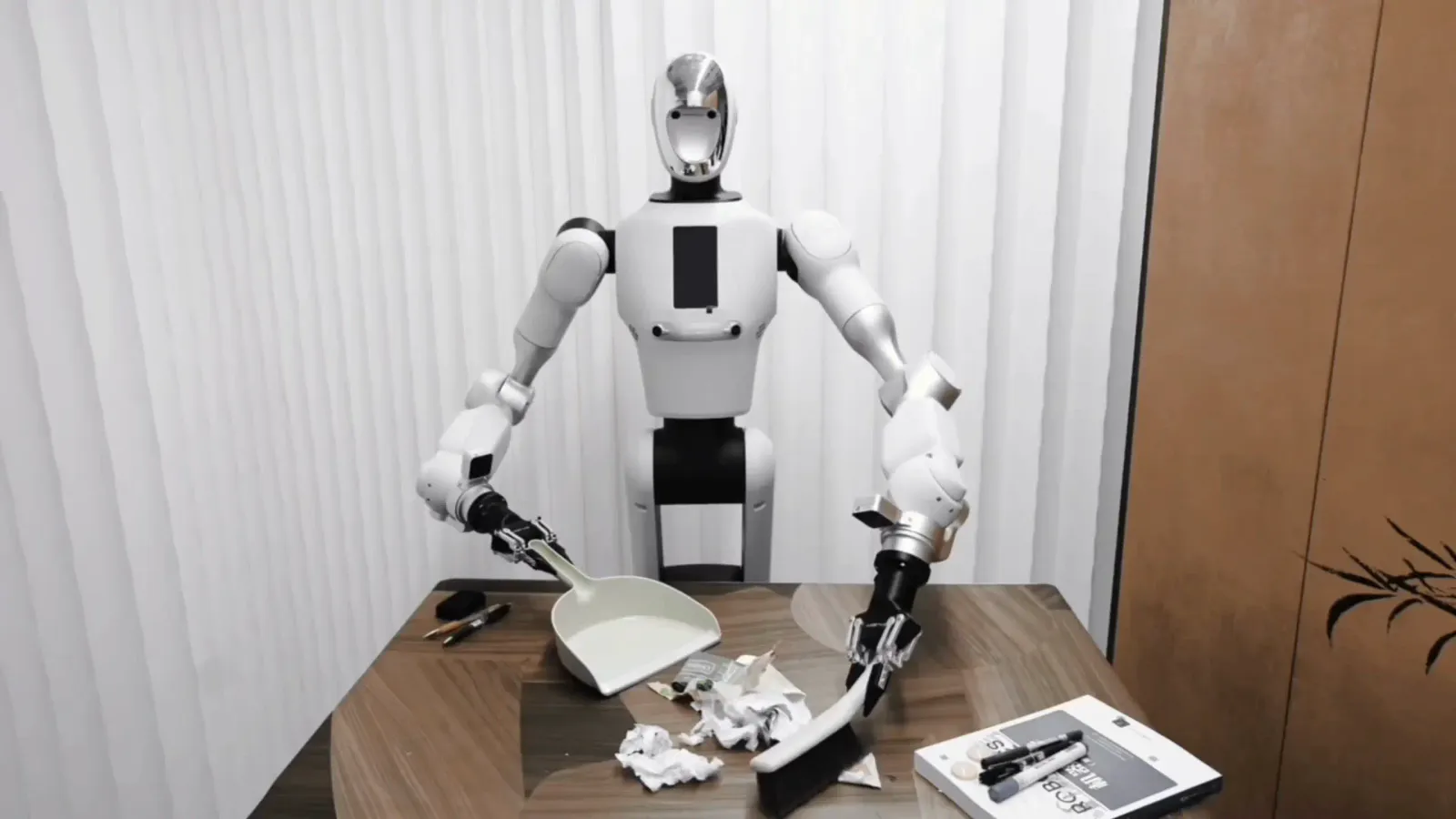 Galbot G1Available · ≈ $105,000
 NEOPre-order · $20,000
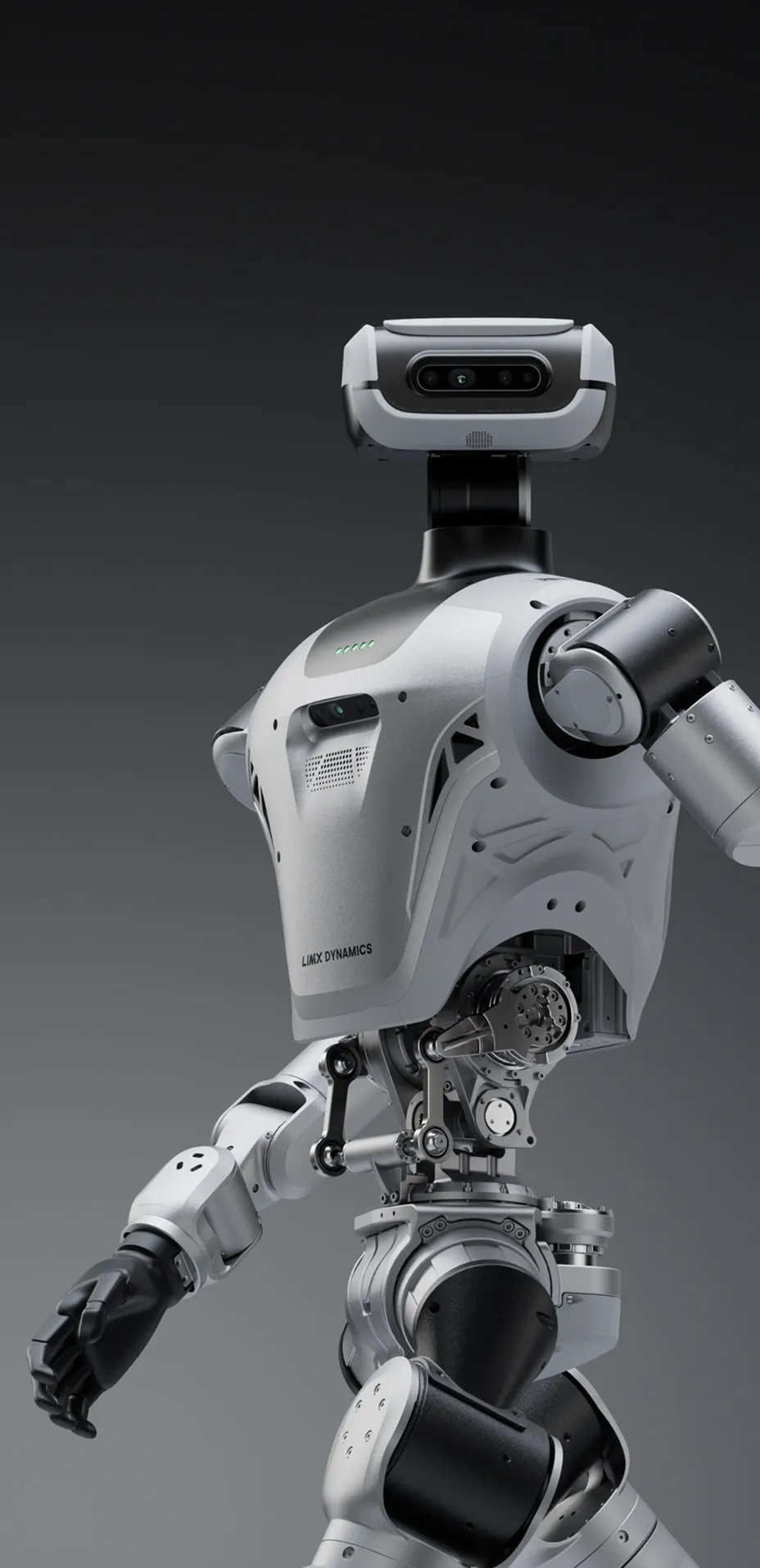 LimX OliAvailable · ≈ $23,700
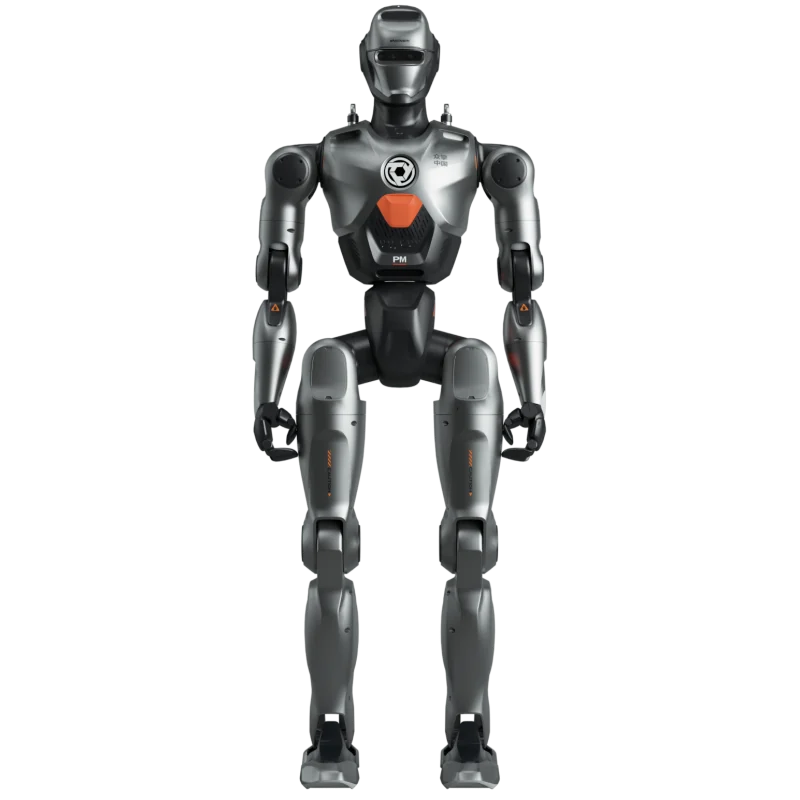 EngineAI PM01Available · ≈ $28,200
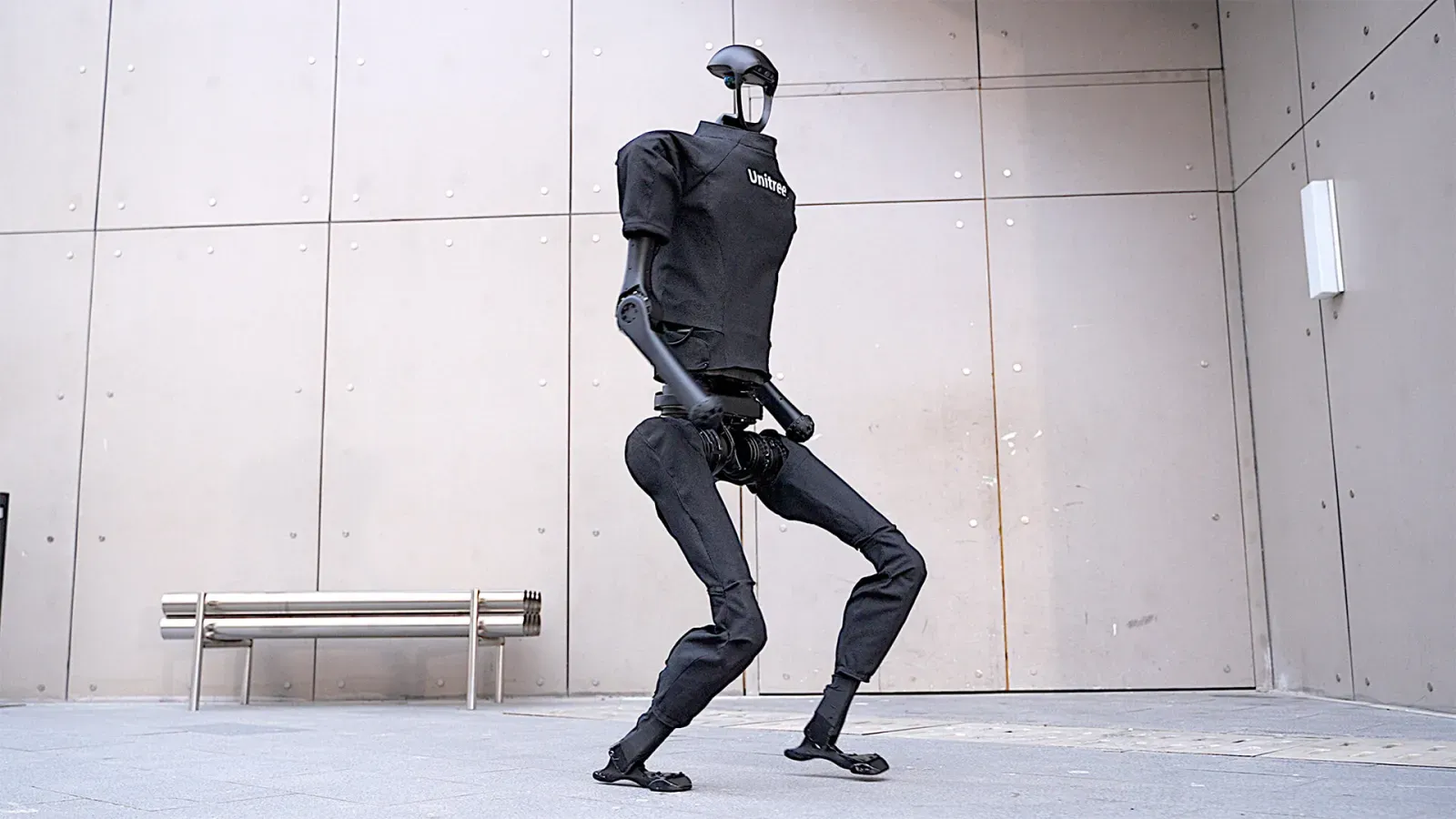 Unitree H1Available · $90,000
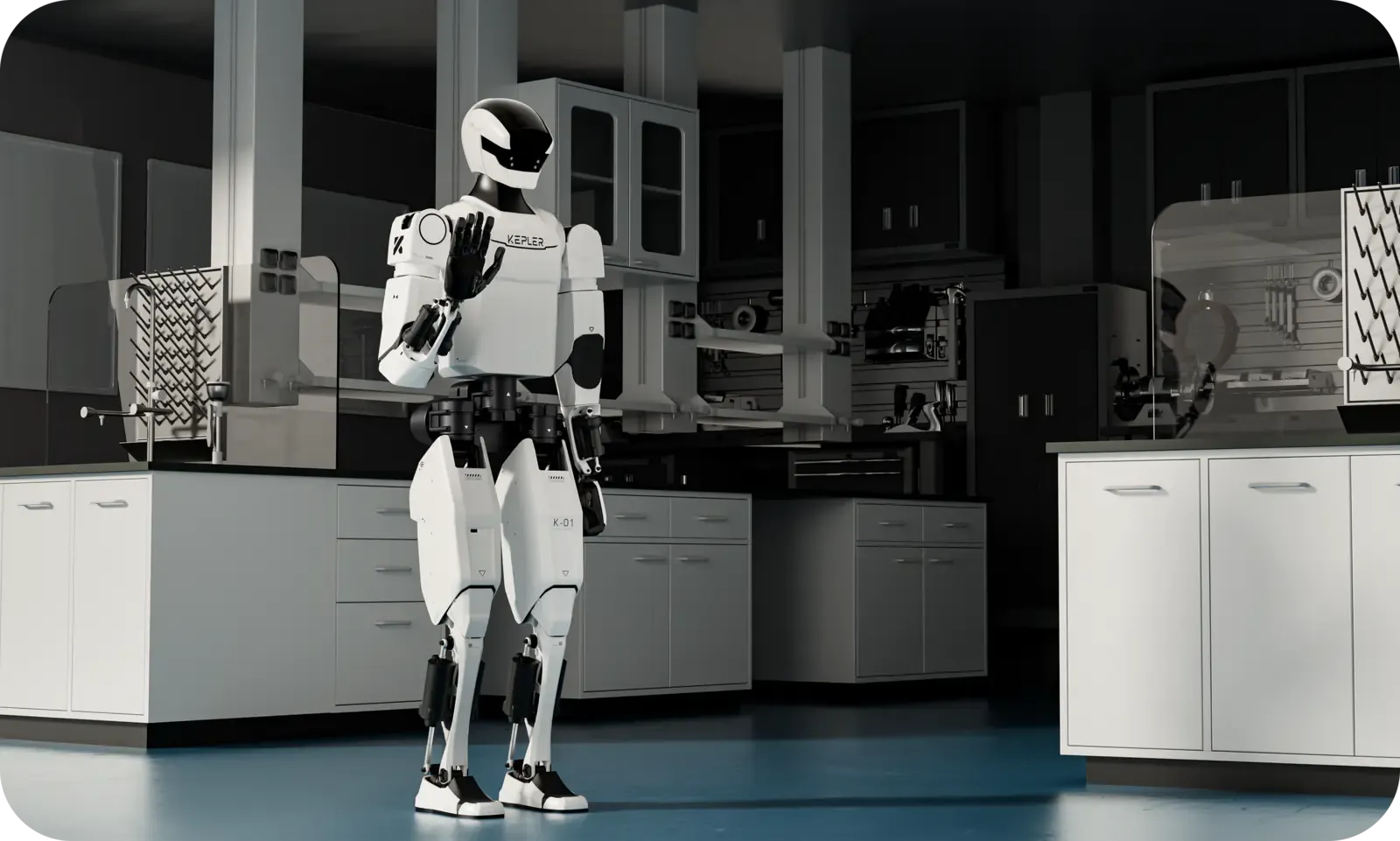 Kepler Forerunner K2 BumblebeeAvailable · ≈ $37,200
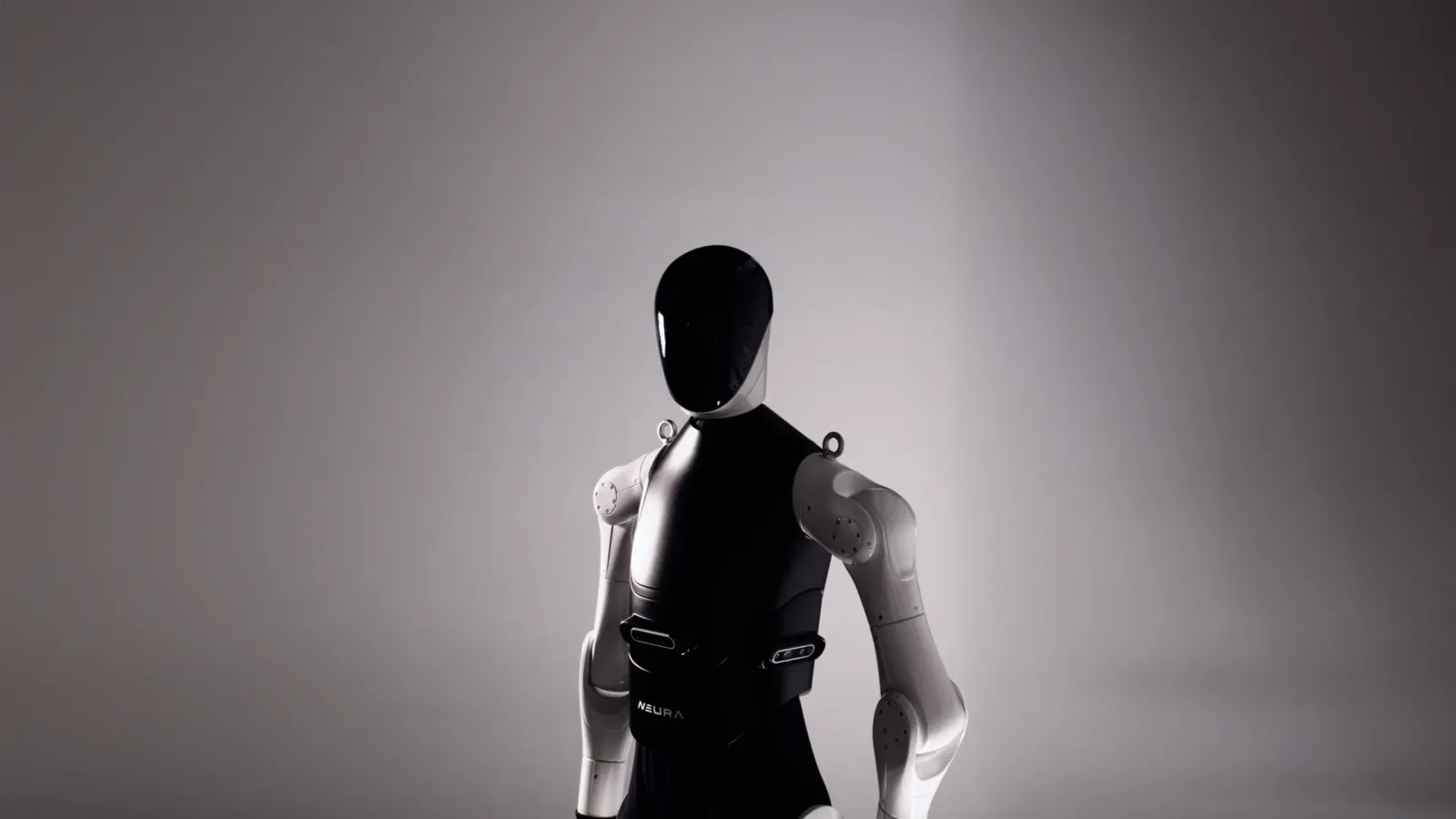 4NE1Pre-order · ≈ $109,000
Related coverage
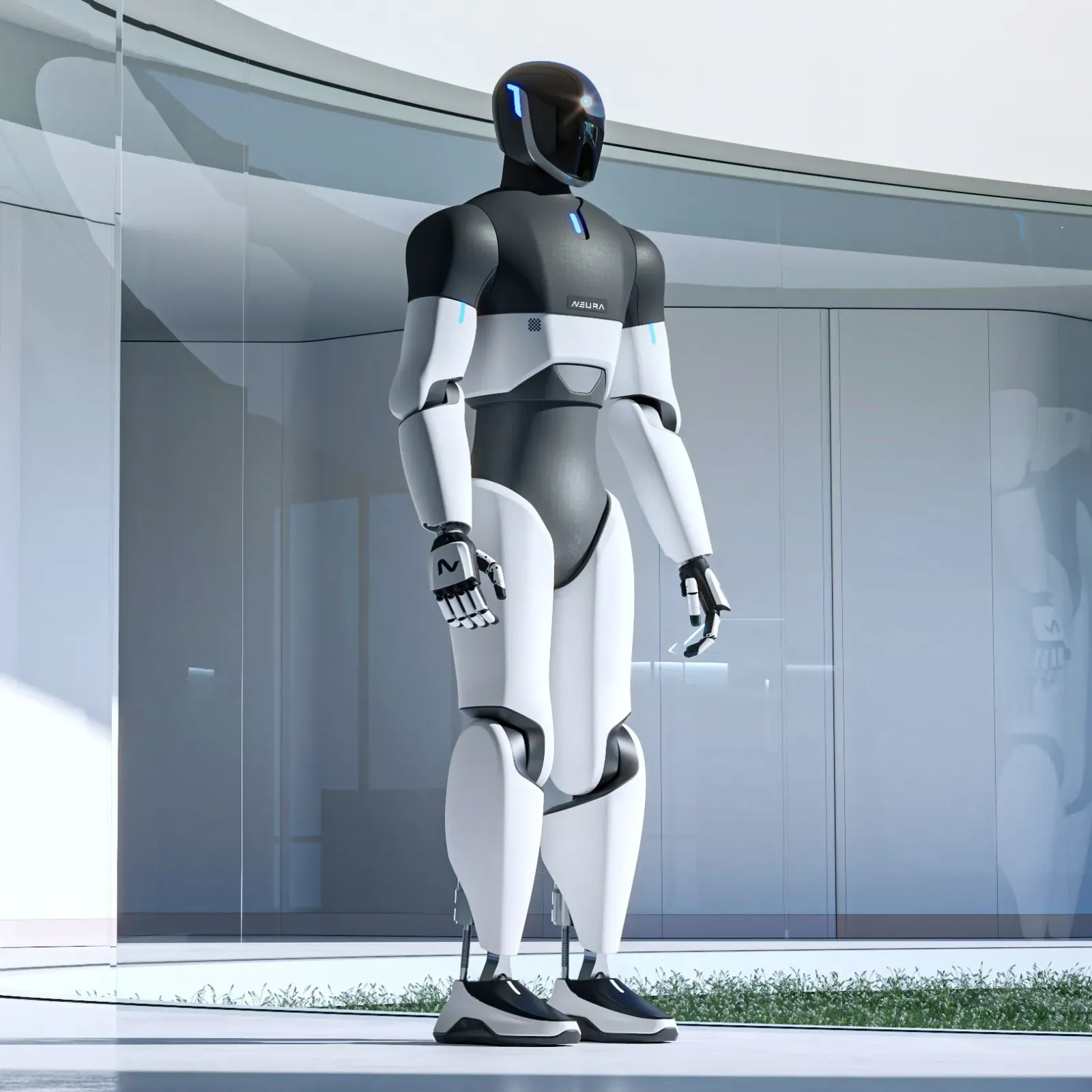
Which humanoid robots can you actually buy in 2026
Every humanoid robot Domobot tracks, sorted by how you can get one in 2026: listed with a price, sold to businesses on quote, on pre-order, announced or still a prototype, with the price the maker or a store shows, and press figures marked as such.
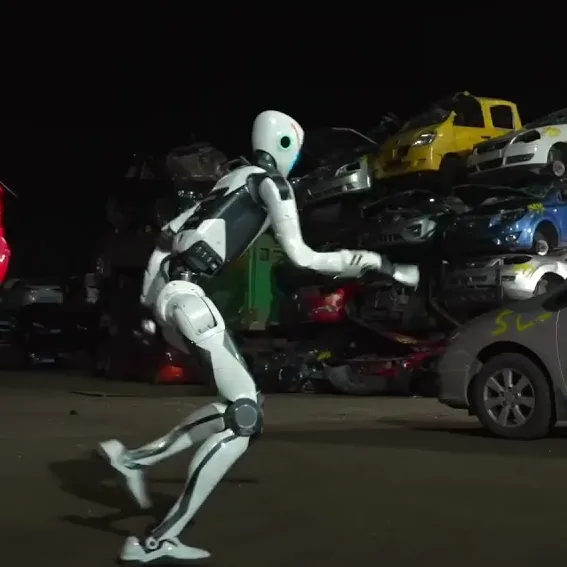
Unitree unveils H2-X with martial arts feats and 8-hour battery life
Unitree Robotics introduced the H2-X humanoid robot on 21 October 2026. The new model demonstrates martial arts feats and a maker-stated 8-hour battery life. No price or availability confirmed.
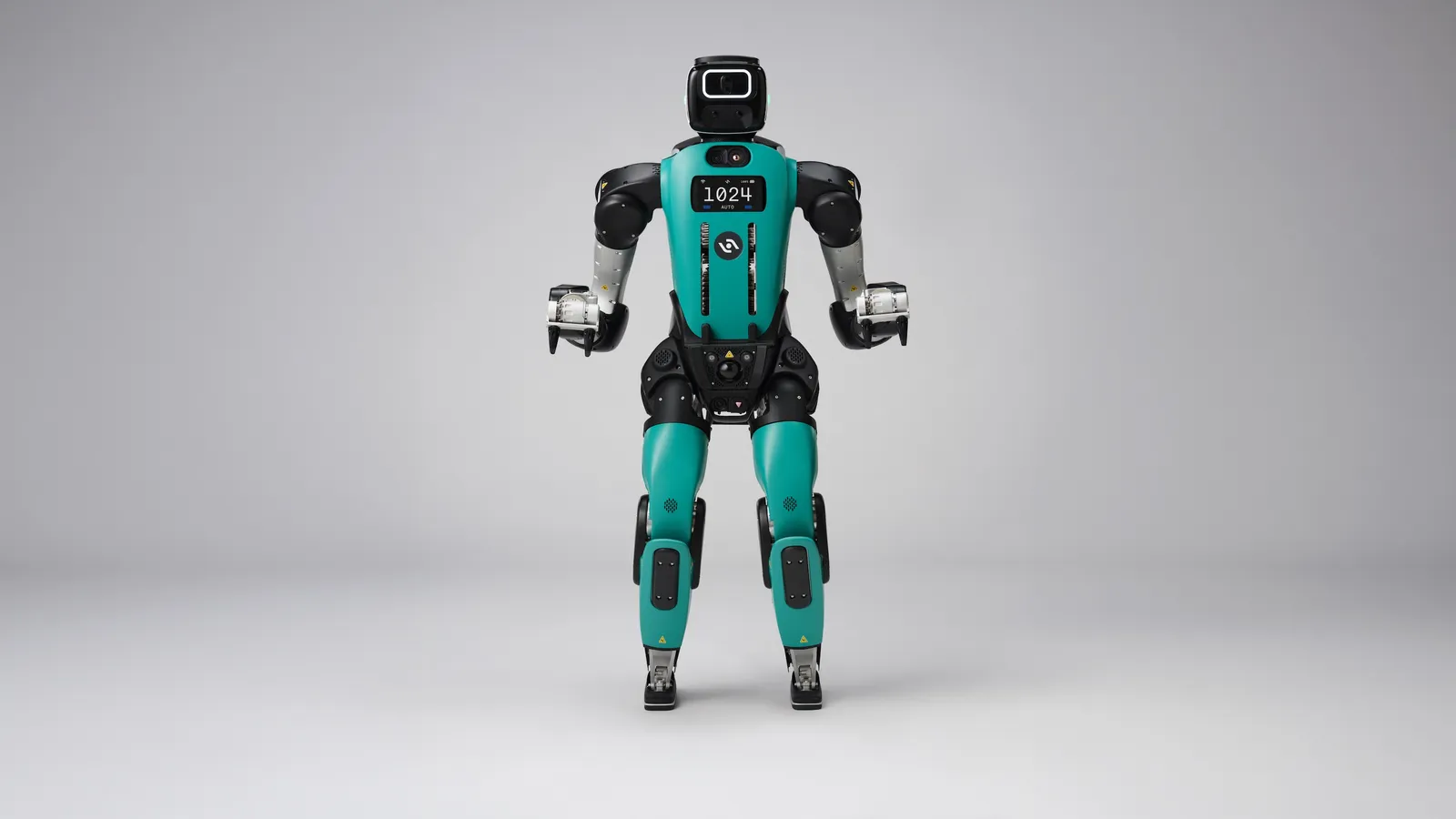
AgiBot previews GO-3 and plans open-source release
On 29 October 2026, AgiBot unveiled the GO-3 Preview humanoid model and outlined plans to open-source it by end-2026. The model targets improvements in operational understanding and predictive task decision-making.