Minerva raises about $10 million; Roger humanoid is not on sale
Minerva Humanoids announced an approximately $10 million pre-seed round on 6 October 2026. Its Roger prototype targets hazardous work, but no public price or sale date is available.
AI summary
- Minerva Humanoids raised about $10 million in pre-seed funding on 6 October 2026.
- The company is developing Roger, a semi-autonomous humanoid designed for dangerous tasks like bomb disposal and hazardous material response.
- Roger is not yet available for purchase, and no public price or sale date has been announced.
- The robot is controlled by a human operator through a VR headset, with assistance from Minerva's AI system for balance and navigation.
Drafted by AI from this article, then checked against it.
Minerva Humanoids announced approximately $10 million in pre-seed funding on 6 October 2026. The company is developing Roger, a semi-autonomous humanoid for bomb disposal, hazardous material response and energy operations. Roger is not available for general purchase. No public price or sale date has been announced.
What changed for buyers
The Carroll County Mirror-Democrat (6 October 2026) says General Catalyst led the round. Long Journey Ventures and Credo Ventures were co-leads, with additional investors participating.
The same announcement says Minerva is launching its first paid pilots in autumn 2026. It also says the funding will support deployments later in 2026. The announcement does not give exact pilot dates, customer names, contract terms or delivery numbers.
BPDATA AI News (15 September 2026) reported that Minerva did not yet sell a broadly market-ready robot. It said the company planned to test prototypes in a pilot beginning in autumn 2026 and aimed to launch its first commercial robot in 2027.
BPDATA AI News also reported that Minerva intends to use a robot-as-a-service subscription model. It gave no exact price. Co-founder Sándor Felber estimated that configurations would likely cost several hundred thousand US dollars, but this is not a published price or order offer.
What the maker says
The Carroll County Mirror-Democrat (6 October 2026) describes Roger as a purpose-built, semi-autonomous humanoid. Its intended work includes explosive ordnance disposal, hazardous material response, offshore oil and gas operations, and work at high-voltage power plants.
According to the company announcement published on 6 October 2026, a specialist controls Roger through a VR headset. The maker says its Minerva Intelligence system manages balance, fall recovery and navigation while translating the operator’s input into robot actions.
The announcement says the first Roger prototypes are manufactured and assembled in Germany. It says the company developed a walking prototype in five months. These are maker-stated development claims. No independent test results are provided.
No maker-stated height, weight, payload, runtime, walking speed or degree-of-freedom figure was published in the supplied sources.
The company behind it
The Carroll County Mirror-Democrat (6 October 2026) identifies Sandor Felber as CEO and Maurice Rahme as CTO. It says Felber previously worked on Tesla’s Optimus program and humanoid robotics research at MIT CSAIL. It says Rahme spent six years at Boston Dynamics and worked as a technical lead on the Stretch robot.
The same announcement says Minerva was founded at the end of 2025. It lists San Francisco as its headquarters, with offices in Cambridge, Massachusetts, and Sindelfingen, Germany.
BPDATA AI News (15 September 2026) reported that hardware development was concentrated mainly in Germany while software development was based in San Francisco.
Still unconfirmed
- No public order page or preorder programme is identified.
- No exact price or subscription fee has been published.
- No general sale date has been announced.
- Pilot customers and deployment quantities are not named.
- Production capacity and delivery schedule remain unknown.
- The sources provide no complete technical specification sheet for Roger.
Sources
- Carroll County Mirror-Democrat: Minerva Humanoids Emerges From Stealth With $10M Pre-Seed Round Led by General Catalyst to Build Humanoid Robots for the World's Most Dangerous Jobs, 6 October 2026
- BPDATA AI News: Minerva Humanoids raises record pre-seed to build task-specific humanoid robots for hazardous work, 15 September 2026
Related coverage
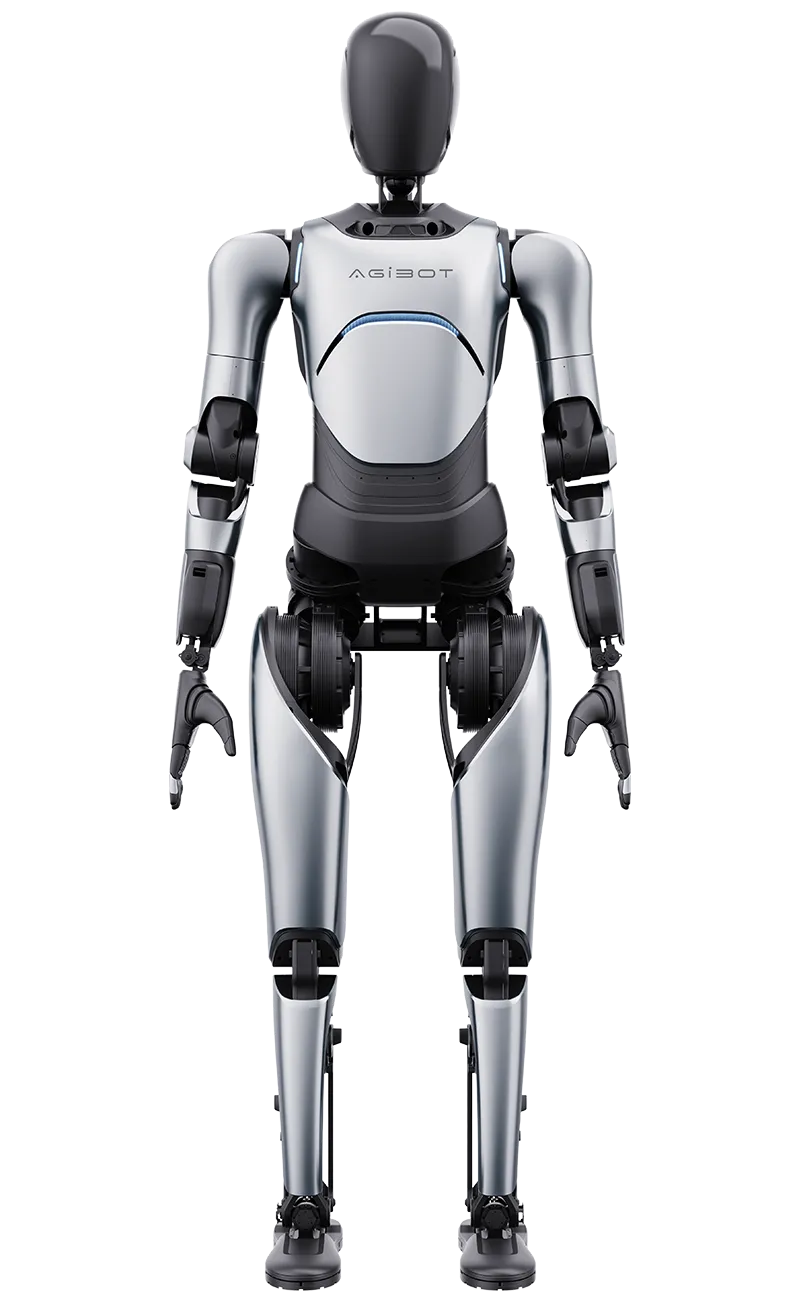
RealWorld demos object pickup from moving conveyor at Shanghai Expo
RealWorld demonstrated a humanoid robot picking objects off a moving conveyor at CIIE 2026 in Shanghai. The demo highlights progress in industrial manipulation but does not confirm a purchase option.
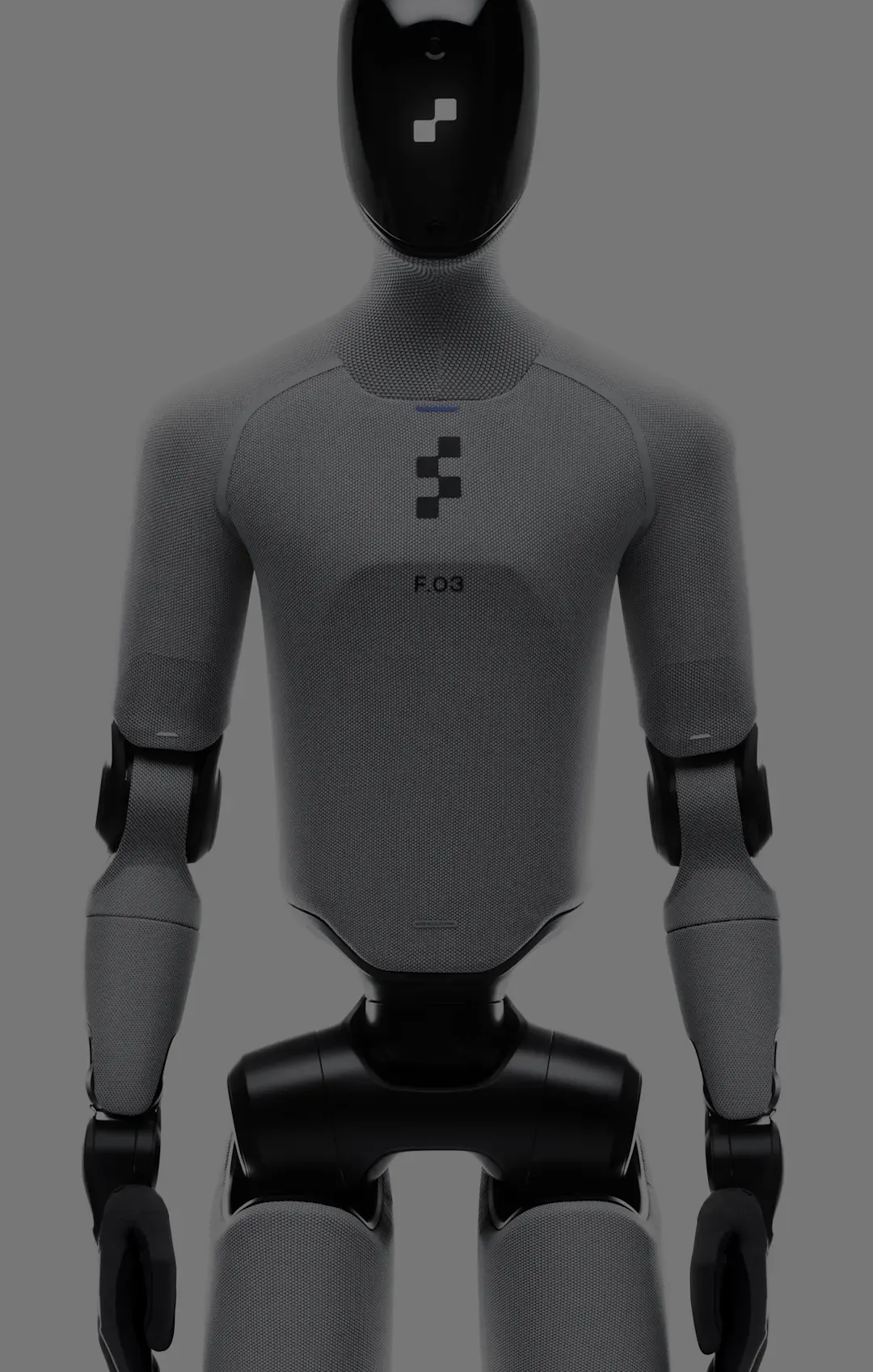
Figure 03 units are shown walking on Figure's campus after leaving the BotQ factory
Several newly completed Figure 03 robots were shown walking outdoors on Figure's campus after leaving the BotQ factory in early November 2026. The robot remains available only to business customers under private contracts.
Xiaomi CyberOne completes full 8-hour factory shift
On 3 November 2026, Xiaomi confirmed that its CyberOne humanoid robots worked a full 8-hour shift in an EV factory, validating production-line operational capabilities. The robots sorted flexible car parts autonomously, with two charging breaks included.