XPENG's IRON walks off a production line; sales are planned for 2027
XPENG said on 8 September 2026 that IRON walked off its new humanoid production line in Guangzhou. Mass production is due by the end of 2026, first for XPENG's own stores and campuses; sales in China and abroad are planned for 2027, with no price.
AI summary
- XPENG's humanoid robot IRON walked off a production line in Guangzhou on 8 September 2026.
- Mass production is set to begin by the end of 2026, with initial units going to XPENG's own stores and campuses.
Drafted by AI from this article, then checked against it.
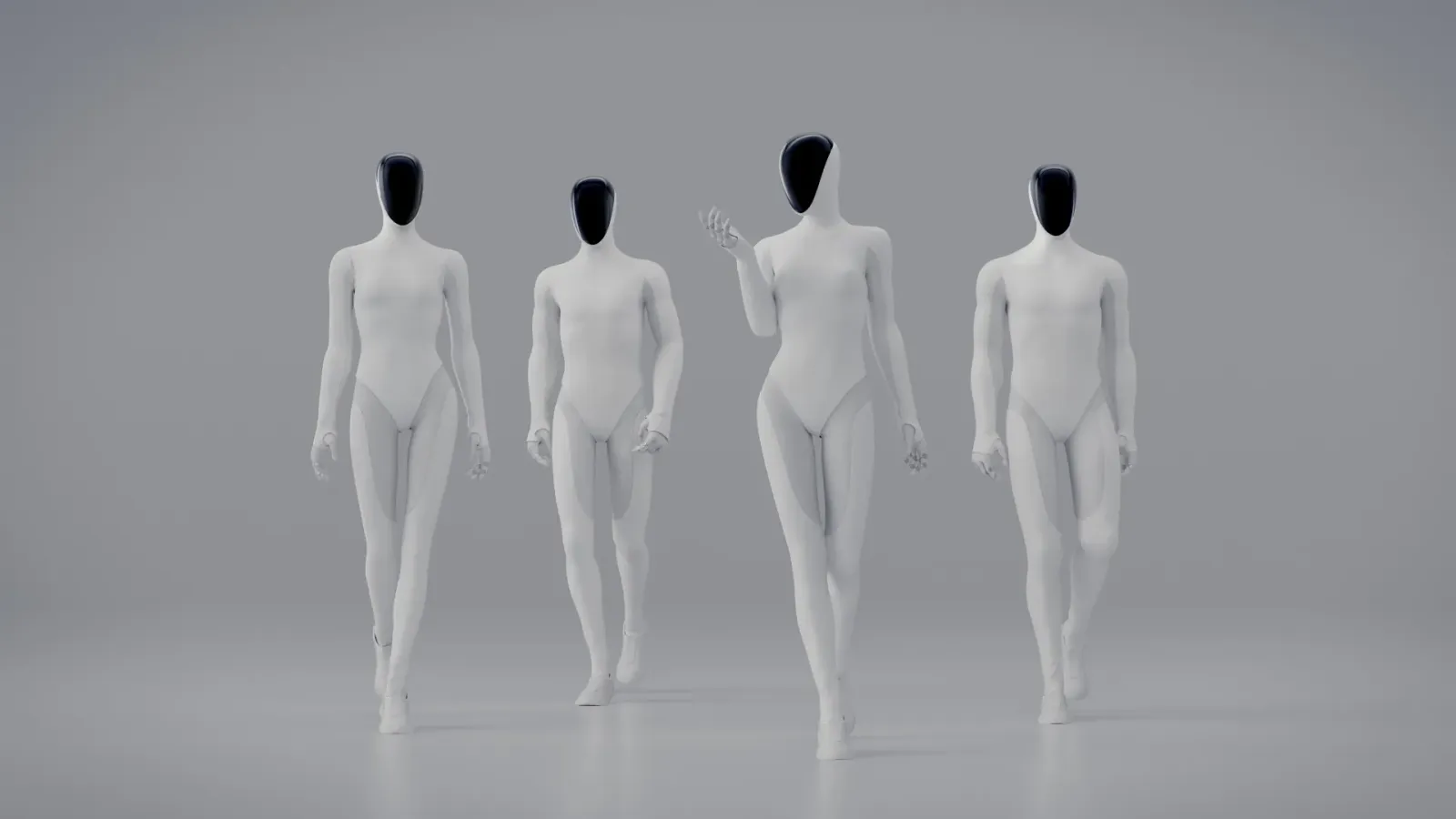
XPENG · Source
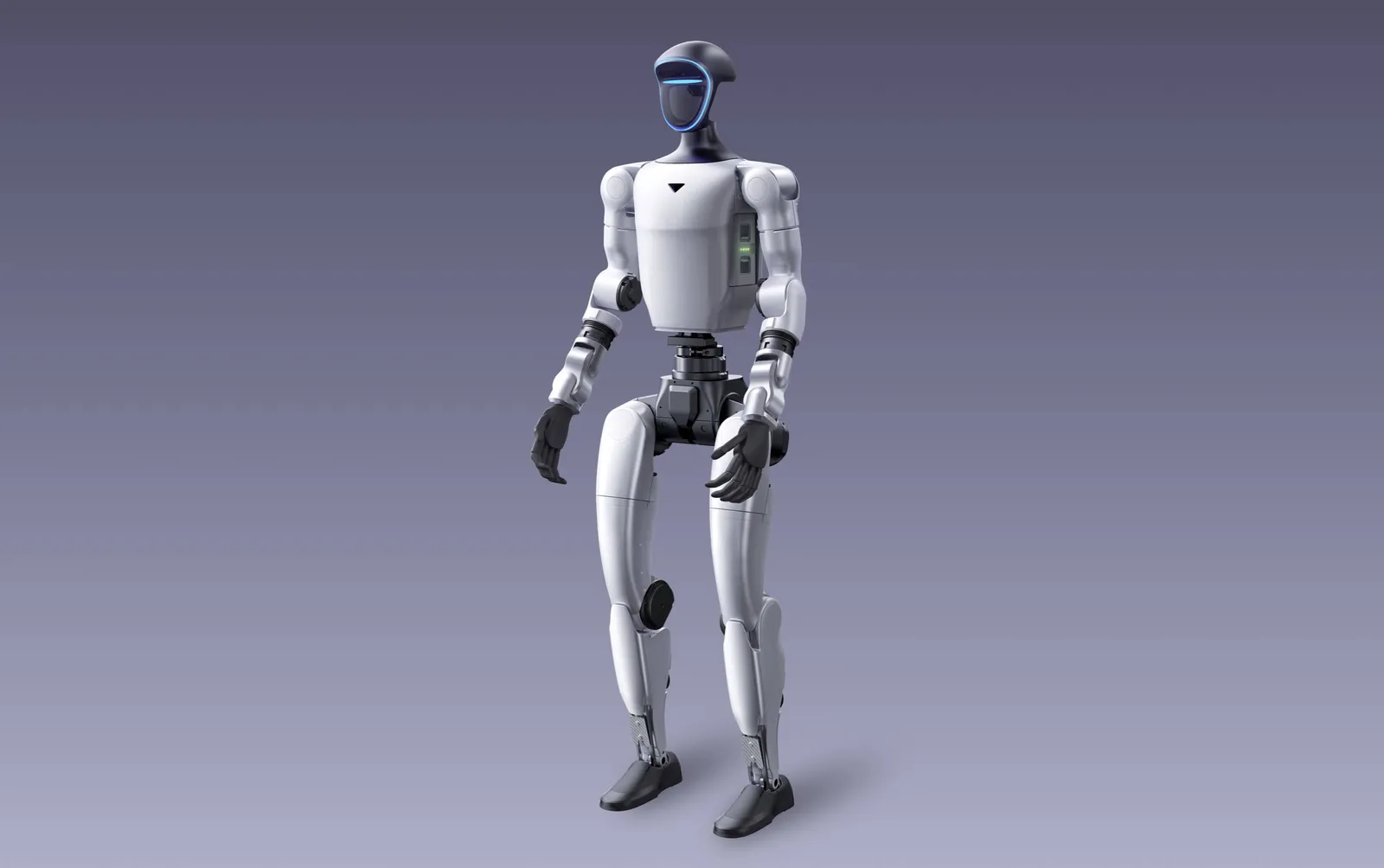
XPENG has commissioned production lines for humanoid robots, held to the automotive-grade quality systems of its cars. In its 8 September 2026 release from Guangzhou, the carmaker said its next-generation IRON had walked off them on its own. No delivery to a paying customer has been announced: the first robots are planned for XPENG's own stores and campuses, and sales for 2027.
What changed for a buyer
XPENG has announced no price. Its release sets out the sequence:
- Mass production by the end of 2026.
- First rollouts in XPENG's own stores and campuses.
- "Official market launch and delivery in China and overseas markets are planned for 2027."
It has not named the overseas markets. Electrek (7 September 2026) reported the same order of events: stores and campuses first, sales and deliveries in 2027.
XPENG says more than 80% of the lines' core processes are automated, and calls them the world's first automated production lines for advanced humanoid robots; that is the company's claim. The release gives no output figure.
What XPENG says IRON is
All figures are maker-stated:
- 76 degrees of freedom (DoF) across the body and 21 in each hand.
- Three Turing AI chips with "up to 2,250 TOPS" of computing power, running XPENG's AI model on the robot, which XPENG says lets IRON perform complex tasks "without remote operation".
- A fully enclosed, flexible lattice body structure.
Some of these figures have moved since the November 2025 unveiling, when XPENG gave 82 DoF in total, 22 per hand and an all-solid-state battery, and CnEVPost reported three Turing chips with 2,250 TOPS. The September release does not mention the battery, and XPENG has not explained how the two DoF counts relate. Neither release gives the height or weight of this generation.
How it compares
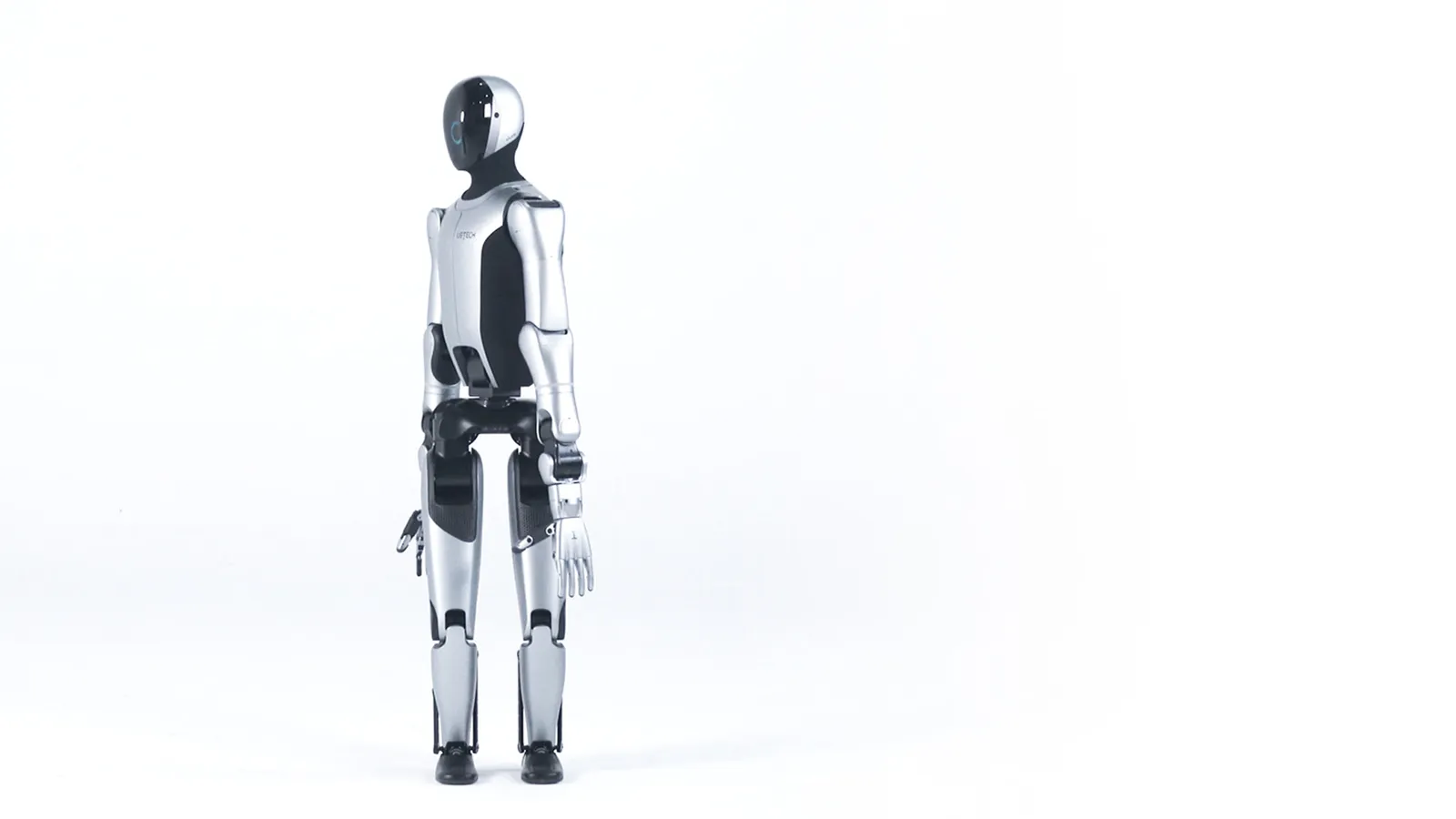
- UBTECH Walker S2: UBTECH said on 17 November 2025 that it had begun mass production and delivery to industrial customers. XPENG, by contrast, is targeting mass production by the end of 2026, starting in its own stores and campuses.
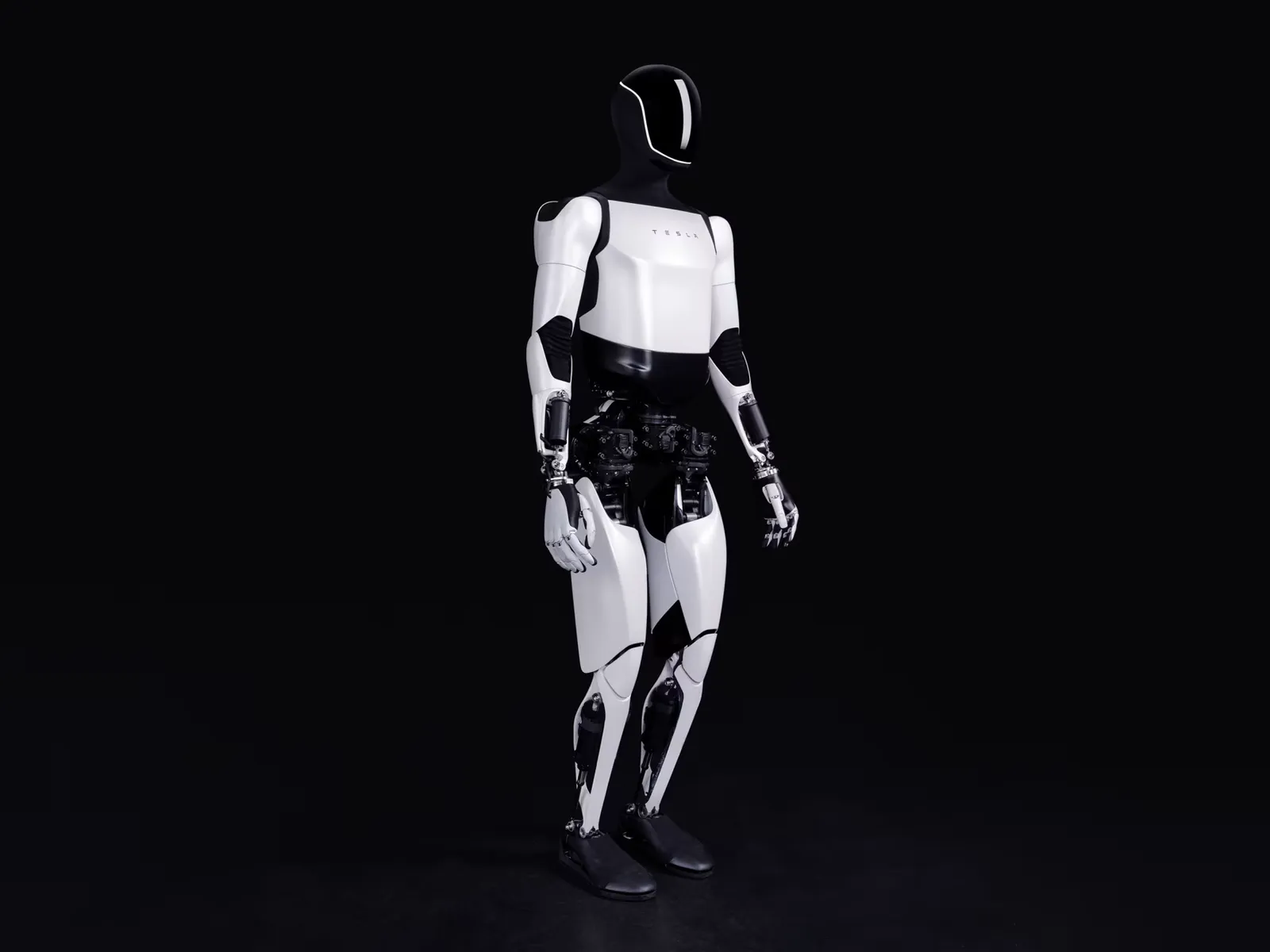
- Tesla Optimus: Tesla said in July 2026 that its first Fremont lines were being installed and that its first robots would be used for internal data collection, with no sales or external customers announced.
IRON's first rollouts are planned in XPENG's own stores and campuses; Tesla says its first Optimus robots will be used for internal data collection. On the money side, XPENG's September release says its robotics business signed share purchase agreements on 24 August 2026 to raise more than $900 million, at a post-money valuation of over $6.3 billion.
Our XPENG IRON model sheet stays at "announced" until XPENG opens orders.
Still unconfirmed
- The price, and whether IRON will be sold, leased or offered as a service.
- Which overseas markets, and when in 2027.
- The output of the new lines.
- Height, weight, runtime and payload of the production robot.
- Whether the solid-state battery announced in November 2025 is in the production version.
Sources
- XPENG IRON Humanoid Robot Now Walks Off the Production Line, 8 September 2026
- Electrek: XPeng starts IRON humanoid robot production as Tesla Optimus stalls, 8 September 2026
- XPENG Shares Achievements in Physical AI Emergence: Unveils XPENG VLA 2.0, Robotaxi, Next-Gen IRON, and Flying Car, 5 November 2025
- CnEVPost: Xpeng unveils next-gen Iron humanoid robot at 2025 AI Day, 5 November 2025
- Cision PR Newswire: UBTECH Humanoid Robot Walker S2 Begins Mass Production and Delivery, with Orders Exceeding 800 Million Yuan, 17 November 2025
Models in this article
Related coverage
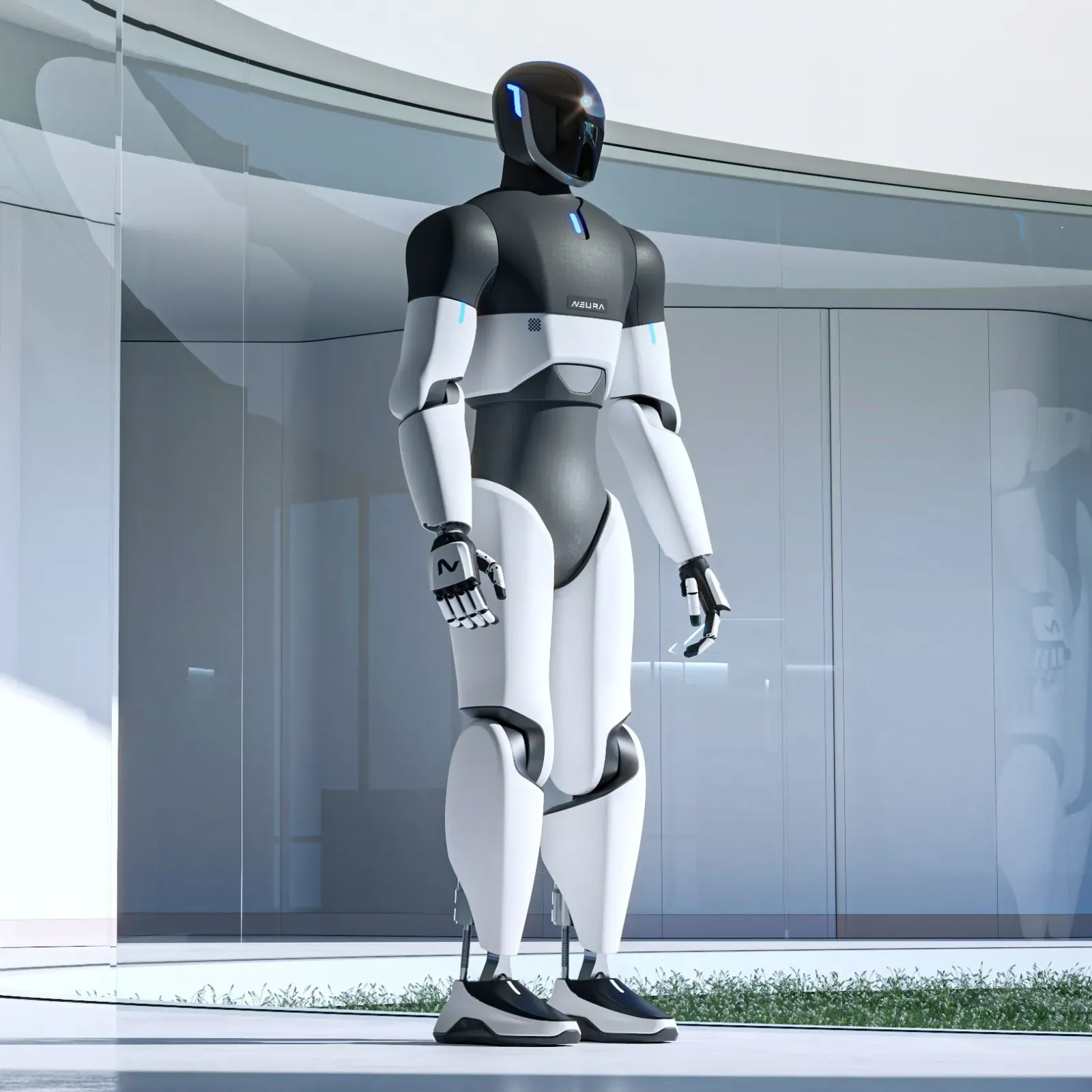
Which humanoid robots can you actually buy in 2026
Every humanoid robot Domobot tracks, sorted by how you can get one in 2026: listed with a price, sold to businesses on quote, on pre-order, announced or still a prototype, with the price the maker or a store shows, and press figures marked as such.
How to read a humanoid robot spec sheet: what each figure means for a buyer
What height, weight, payload, runtime, degrees of freedom, walking speed and hands mean on a humanoid robot spec sheet, with examples from Domobot's model sheets and the questions to ask before you buy.
RealWorld demos object pickup from moving conveyor at Shanghai Expo
RealWorld demonstrated a humanoid robot picking objects off a moving conveyor at CIIE 2026 in Shanghai. The demo highlights progress in industrial manipulation but does not confirm a purchase option.